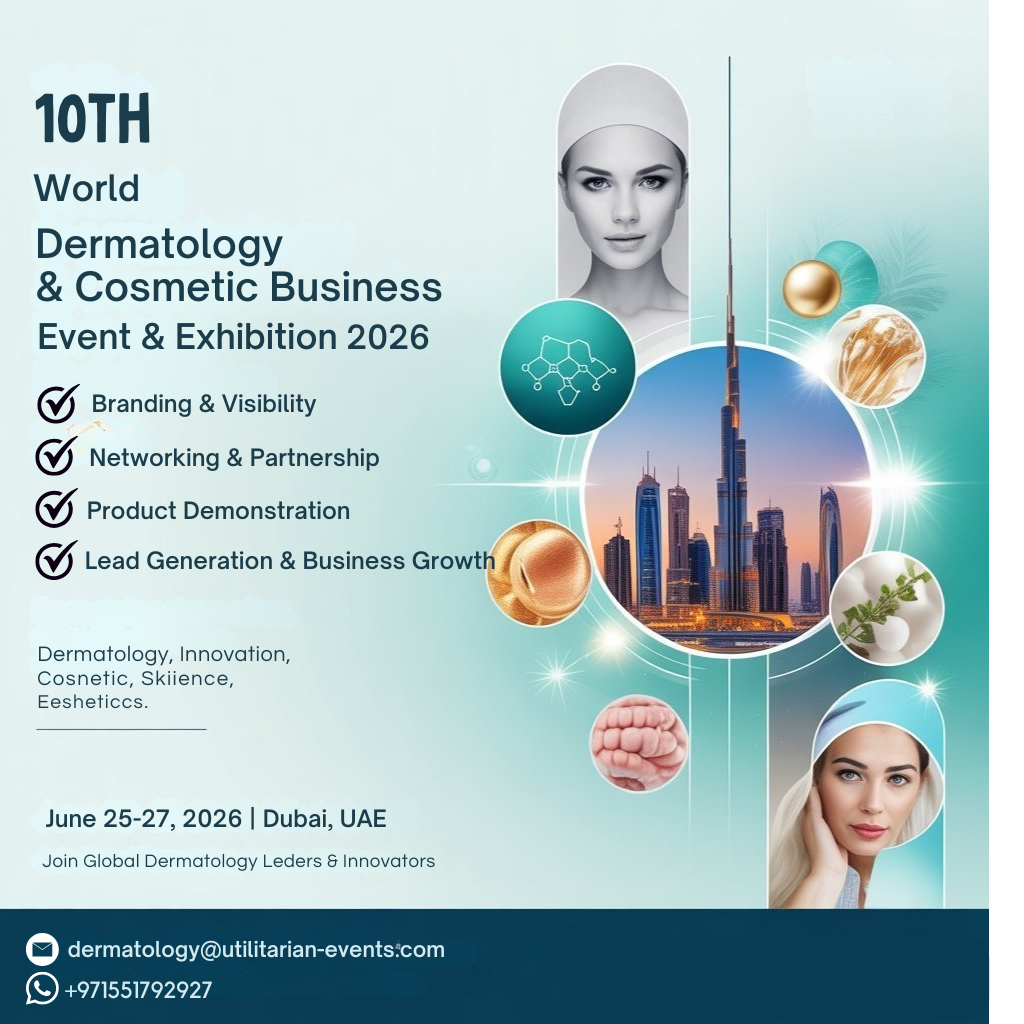
Poster and Abstract Sessions are an essential component of academic, medical, and scientific conferences, offering a platform for researchers, clinicians, and industry professionals to present their work, findings, or innovations in a concise and visual format. These sessions allow participants to share knowledge, highlight new research, and engage with the scientific community in an interactive and collaborative environment. Unlike traditional lectures or presentations, poster sessions provide attendees the opportunity to explore multiple research topics at their own pace, fostering informal discussions and networking.
In a poster session, each participant or research team prepares a poster summarizing their study or project. Posters typically include the research objectives, methodology, key results, conclusions, and references, often accompanied by charts, graphs, and images for visual clarity. Alongside the posters, authors submit a written abstract, a concise summary of their work, which is included in the conference program or abstract book. Abstracts serve as a guide for attendees to identify sessions of interest and for the scientific committee to evaluate the quality and relevance of the submissions.
Poster sessions are usually organized in dedicated exhibition areas where attendees can walk through and view multiple posters. Researchers stand by their posters to explain their work, answer questions, and discuss implications with peers, mentors, or industry experts. This interactive format encourages dialogue, provides constructive feedback, and may lead to collaborations, partnerships, or further research opportunities. Many conferences also allocate judging panels or awards for best posters, recognizing outstanding contributions and motivating participants to showcase high-quality work.
In dermatology and healthcare conferences, poster and abstract sessions cover a wide range of topics, from clinical case studies and treatment innovations to cutting-edge research in medical technology and skincare formulations. These sessions are highly valuable for young researchers, residents, and clinicians, offering a chance to gain visibility in the professional community, receive expert feedback, and demonstrate expertise in their field. For attendees, poster sessions are a convenient way to access a diverse range of studies and innovations in a short period, facilitating learning and professional growth.
With the rise of digital conferences, poster sessions can also be conducted virtually. In virtual formats, posters are displayed online, often with interactive elements like embedded videos or slide decks. Attendees can view posters on-demand, participate in live Q&A with authors, or schedule one-on-one discussions through the conference platform. This approach increases accessibility, allowing participants from across the globe to engage with research without geographical constraints.
Poster and abstract sessions not only highlight scientific and clinical achievements but also promote networking and collaboration. They allow attendees to meet researchers with shared interests, discuss emerging trends, and explore potential research partnerships. For organizers, these sessions add substantial value to the conference program, demonstrating the event’s commitment to knowledge exchange and academic excellence.
In conclusion, Poster and Abstract Sessions are a dynamic, interactive, and highly educational component of professional conferences. They provide a platform for research dissemination, professional recognition, and networking, making them essential for fostering innovation and advancing the scientific community. In the context of dermatology and cosmetic conferences, these sessions help connect researchers, clinicians, and industry experts, encouraging collaboration and supporting the continuous growth of the field.